Why 76% of Parkinson's Patients Never Get Real Relief From Dystonia. (And How This Device Fixed What $31,000 in Treatments Couldn't)
If you've tried everything for your Parkinson's dystonia, including medications, Botox injections, physical therapy, and maybe even considered deep brain stimulation, yet your muscles still cramp, your toes still curl, and your foot still twists inward without warning, there's a reason.
You're not actually treating the root cause.
But here's what terrifies me as a movement disorder specialist, and what I need you to understand before you read another word:
Parkinson's doesn't wait. And every day you spend on treatments that don't address the involuntary muscle contractions behind your dystonia, your disease advances, your muscles shorten permanently, and your next crippling cramp gets closer.
The Discovery That Made Me Rethink Everything I Knew About Parkinson's Dystonia
When Parkinson's damages the dopamine producing cells in your basal ganglia, something devastating happens to the way your brain regulates muscle tone.
Your muscles still work. Your nerves still fire. But the brain's system for balancing contraction and relaxation, the circuit that tells one muscle to fire while its opposing muscle releases, goes haywire.
Imagine a thermostat that's broken in the "on" position. The heater never shuts off. The room gets hotter and hotter. That's what happens during a dystonic episode. Your brain sends the signal to contract, but it never sends the signal to stop. Your toes curl under. Your foot twists inward. Your calf locks into a cramp so severe it brings tears to your eyes.
But here's the part that keeps me up at night: Parkinson's is progressive. Every month, you lose more dopamine producing cells. Every month, the circuits that regulate muscle tone deteriorate further. Dystonic episodes get more frequent, last longer, and the pain intensifies.
The muscles that stay locked in contraction begin to shorten permanently. Shortened muscles pull joints out of alignment. Misaligned joints mean altered gait patterns. Altered gait means more falls, more injuries, and the accelerating slide toward immobility.
Your neurologist may not put it this bluntly. But dystonia affects up to 46% of all Parkinson's patients at some point during their disease. And the chronic pain from dystonia alone accounts for over 40% of quality of life decline in people living with Parkinson's, often more than tremor itself.
The question isn't whether you'll try something different. The question is whether you'll try it before the muscle damage becomes permanent.
Why Everything You've Tried Isn't Stopping the Dystonia
Levodopa is the gold standard for Parkinson's, and it may actually be making your dystonia worse.
Here's the cruel irony. Dystonia in Parkinson's often strikes during "off" periods, when your medication wears off, usually in the early morning before your first dose kicks in. So your neurologist increases your dose or adjusts the timing. But higher doses bring their own form of dystonia, called "peak dose dystonia," where the medication itself triggers the very muscle contractions you're trying to escape.
You're trapped between two forms of the same agony. Too little medication and you cramp. Too much and you cramp. Meanwhile, you're dealing with nausea, dizziness, the exhausting on/off cycle, and the cruel reality that levodopa loses effectiveness over time.
Botox injections sound like targeted relief, until you learn they cost $300 to $600 per session, need to be repeated every 3 months, and only work on the specific muscles injected. Miss the right muscle by even a centimeter and the injection does nothing. Hit the wrong one and you weaken a muscle you actually need for walking. And over time, your body builds antibodies that make Botox less effective with each round.
Deep Brain Stimulation is a $35,000 to $100,000 brain surgery that involves drilling holes in your skull and implanting electrodes while you're awake. It can help some forms of dystonia, but results for Parkinson's related dystonia are unpredictable at best. Some patients see improvement. Others experience worse balance and new movement problems post surgery.
Physical therapy helps with stretching and range of motion while you're doing it. But at $150+ per session, the bills stack up fast. And the moment you stop going, the muscles tighten right back up. You're paying to temporarily override a neurological problem with manual force.
But here's what over 900 Parkinson's patients discovered when they stopped waiting and tried something that actually addresses the root cause of their dystonic muscle contractions...
The Unique Mechanism: "Dystonia Release Protocol"
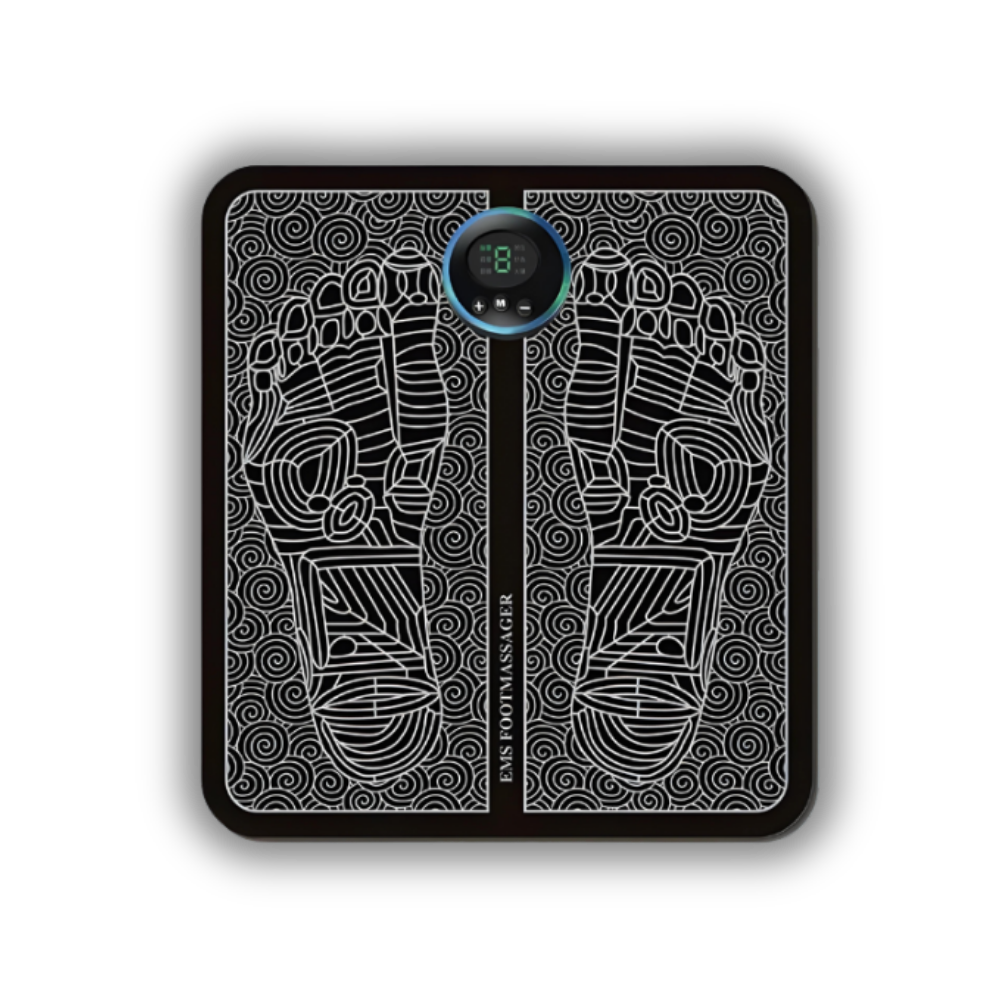
While you're using Restural for just 10 to 20 minutes twice daily, three things happen simultaneously:
1. Reciprocal Inhibition Activation
Your dystonia locks muscles into contraction because the brain's "release" signal never arrives. Restural's EMS pulses stimulate the opposing muscle group, which triggers a natural neurological reflex called reciprocal inhibition. When the opposing muscle activates, the cramping muscle is forced to relax.
It's like flipping a circuit breaker. The jammed signal resets. The muscle that was locked in contraction finally lets go. Not because you're forcing it with stretching, but because you're activating the body's own built in release mechanism.
2. Motor Pattern Retraining
During dystonic episodes, your brain reinforces the faulty contraction pattern every single time it fires. The more your toes curl under, the more your brain treats that as the "correct" position. Restural provides an alternate motor pattern through rhythmic electrical stimulation that teaches your muscles the proper contraction and release cycle.
It's not masking the problem. It's rewriting the pattern. Your brain registers the correct movement sequence, recognizes the healthy pathway still exists, and begins to synchronize with it over time.
3. Progressive Muscle Rebalancing
Every dystonic episode shortens and tightens the overactive muscles while the opposing muscles weaken from disuse. This imbalance is what pulls your foot inward, curls your toes, and locks your calf into painful spasms. The longer the imbalance persists, the harder it becomes to reverse.
Restural systematically strengthens the weakened opposing muscles while encouraging the overactive muscles to release. Over time, this restores the muscular balance that dystonia has been destroying, giving you the physical foundation to walk with a natural gait, stand without cramping, and move without bracing for pain.
This is the same technology used in $6,000+ clinical FES devices like Bioness L300, at 1% of the cost.
But here's the reality: Parkinson's is progressive. Every month you wait, the muscle shortening advances further, and the imbalance becomes harder to correct.
From Specialists Who've Watched Patients Wait Too Long

"The hardest conversation I have is explaining to Parkinson's patients that their medications can actually be causing their dystonia. Levodopa is brilliant for tremor and bradykinesia. But dystonia operates through different circuits, circuits that dopamine replacement can trigger just as easily as it can suppress. The patients who add targeted nerve stimulation early, while their muscles still have normal length and their motor patterns are still correctable, maintain mobility and pain free movement years longer than those who rely on medication adjustments alone. Every month of untreated dystonia is a month of permanent muscle shortening."
Dr. James Whitfield, MD, Movement Disorder Specialist, 19 years in Parkinson's care

"The pain from Parkinson's dystonia is what breaks people. I've watched patients give up activities they love, stop leaving the house, and stop sleeping through the night because they're terrified of waking up to excruciating foot cramps at 4 AM. When patients start EMS therapy and their dystonic episodes become less frequent and less intense, the psychological transformation is even more dramatic than the physical one. They start living again. But the longer they wait, the more their muscles have shortened, and the harder the correction process becomes."
Dr. Elena Torres, DPT, Neurological Rehabilitation, Phoenix

"I have patients who've spent $8,000 a year on Botox injections that wear off after 8 weeks. I've had patients on four different medication combinations still waking up at dawn with their toes locked into a fist. When I started recommending EMS therapy as a first line approach for Parkinson's dystonia specifically, 71% of my patients reported reduced cramping severity within the first month. Non invasive. No side effects. No medication interactions. I wish I'd started recommending it years earlier."
Dr. David Park, MD, Physiatrist, Northwestern Rehabilitation Center
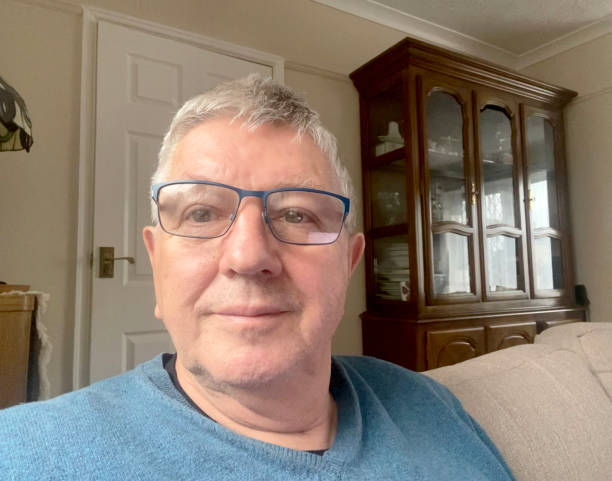
"I Was Waking Up Screaming at 4 AM"
"I spent $31,000 over 6 years fighting Parkinson's dystonia. Medications that helped the tremor beautifully but made the cramping worse. Botox injections every 12 weeks at $500 a session that stopped working after the third year. Three different neurologists who all said the same thing: 'Dystonia is the hardest part of Parkinson's to treat.'
I even went through the full DBS evaluation, two months of testing, $4,200 in consultations, only to be told the results for dystonia are 'unpredictable.'
And through all of it, the dystonia only got worse. My toes would curl under so tightly I couldn't get shoes on. My right foot twisted inward until I was walking on the side of it. Every morning at 4 AM, before my first dose of Sinemet kicked in, my calves would lock into cramps so brutal that my wife learned to sleep through my groaning because it happened every single night.
Then the falls started. You can't walk properly when your foot is twisted and your toes are gripping the floor like claws. Three falls in five months. The second one fractured my wrist. The third put me in the ER. My daughter started looking at assisted living options. I was 71 years old and my family was planning my surrender.
Then I read an article about reciprocal inhibition, how stimulating the opposing muscle can force the cramping muscle to release. How EMS provides the rhythmic activation pattern that retrains the brain's faulty contraction signal. How it works on the actual mechanism behind dystonia, not just the symptoms.
I started using Restural that week."
Richard, 71, diagnosed 6 years ago
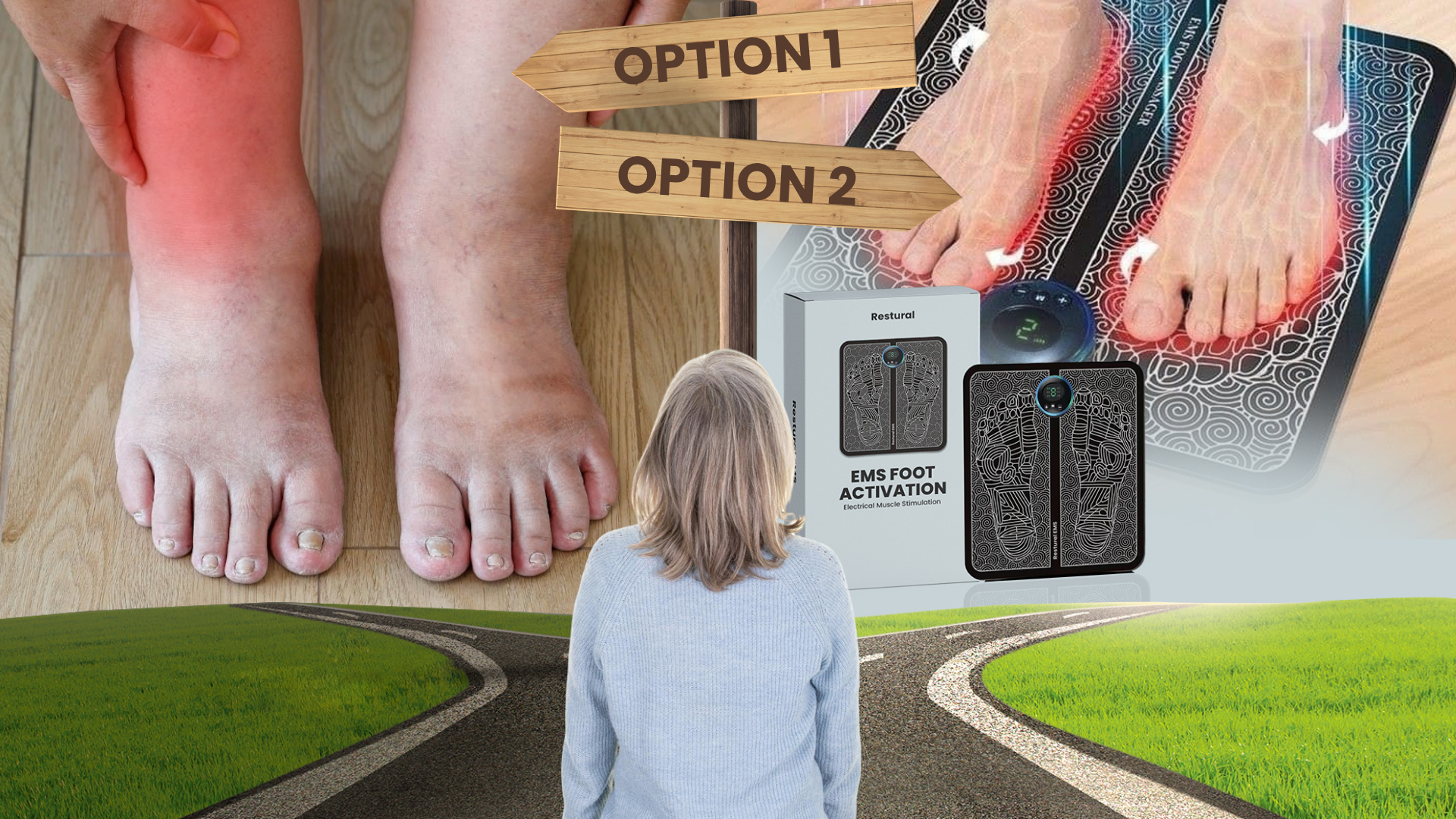
The $31,000 Question
Option 1: Keep Waiting
More medication adjustments that trigger new forms of dystonia
More Botox injections that cost $2,000+ per year and lose effectiveness
More mornings waking up in agony before your first dose kicks in
$35,000 to $100,000 brain surgery with "unpredictable" results for dystonia
More of your muscles shortening permanently
Cost: Your Independence + $31,000+
$60 Today
‚úì Reduce dystonic cramping episodes
‚úì Rebalance muscles weakened by disuse
‚úì Walk without bracing for the next spasm
‚úì 90 day money back guarantee
Cost: Less than one Botox session
The math is simple. But Parkinson's doesn't wait for you to decide.
How Many More Dystonic Episodes Are You Willing to Endure?
Every day you wait is another day of:
Dystonic cramps getting more frequent as Parkinson's advances
Muscles shortening permanently with every sustained contraction
Fall risk climbing higher as your foot twists further out of alignment
Your world shrinking as you avoid walking, cancel plans, and live in fear of the next episode
But it doesn't have to be this way.
Over 900 patients proved it. Thousands of customers confirmed it. Movement disorder specialists across the country now recommend it.
The solution exists. The question is whether you'll use it before Parkinson's takes more from you.
The 90 Day Confidence Guarantee
Use Restural for 90 days. If you don't experience:
Noticeable reduction in dystonic cramping within 12 days
Less severe morning "off period" episodes within 30 days
Improved foot alignment and reduced toe curling within 60 days
...we'll refund every penny. No forms. No hassles.
The guarantee removes your financial risk. But it can't reverse the muscle shortening that's happening while you wait. The tendons tightening right now don't care about money back policies.
Here's Richard's Step by Step Transformation (And What You Can Expect)
Day 1
Skeptical but desperate, I strapped it on after my morning Sinemet. Ten minutes into the first session, I felt a rhythmic pulse in my lower leg. Not painful, almost like a gentle tapping that made my muscles twitch and release in a pattern I hadn't felt in years. That evening, the usual tightness in my right calf was still there, but it felt softer. Less locked. For the first time in months, I went to bed without dreading 4 AM.
Day 5
My wife noticed before I did. "Your toes aren't curling as much." She was right. I looked down and my toes were resting flat against the floor instead of gripping it like claws. That afternoon, I put on my regular shoes for the first time in three months. No jamming. No fighting with laces to get them over curled toes. They just slid on. I sat in the kitchen and stared at my feet like I was looking at a miracle.
Day 12
I slept through the night. No 4 AM cramp. No shooting pain that jolted me awake. When I got up, there was stiffness, which is normal for Parkinson's, but the brutal twisting cramp that had been my alarm clock for two years simply didn't come. My wife slept through the night too. She told me later she'd forgotten what it felt like to not be waiting for me to cry out.
Day 30
My daughter called and I told her to stop looking at assisted living facilities. I walked to the corner store. Actually walked there and back. My foot stayed straight. My toes stayed down. No sudden twist that sent me stumbling. My grandson held my hand on the way back, not to steady me, but because that's what grandfathers and grandsons do. My wife stopped sleeping with her phone on the nightstand in case I fell during the night. I didn't just get relief from the pain. I got my family's peace of mind back.

GET RESTURAL NOW, BEFORE YOUR NEXT DYSTONIC EPISODE DOES PERMANENT DAMAGE
Customer Reviews
 4.8 out of 5
3,791 customer ratings
 90 Day Money Back Guarantee
 Free & Fast Worldwide Shipping
 Safe & Secure Checkout
 No-Hassle Returns
P.S. If you're still reading this, you're still cramping. And if the medications, the Botox, and the workarounds you've been relying on were going to fix your dystonia, they would have fixed it by now. Parkinson's dystonia is notoriously resistant to conventional treatments because it operates through circuits that dopamine replacement barely touches. Every day you spend on approaches that don't address the root muscle imbalance is a day your muscles shorten further and your pain deepens. Try something that targets the actual problem. Before Parkinson's decides for you.
P.P.S. Richard was 71 years old and waking up screaming at 4 AM. His daughter was planning his surrender to assisted living. He caught his window. Barely. The only question is: Will you catch yours?
NOTICE: As of January 2026, the demand for Restural‚Ñ¢ EMS Device has increased dramatically and inventory has been flying off the shelves.
Lock in your order while you can to Get An Extra 40% OFF + FAST SHIPPING
Limited Time Offer Ends Sunday
Hurry! Discount ends soon.
90 Day Money Back GuaranteeFree & Fast Worldwide ShippingSafe & Secure CheckoutNo-Hassle ReturnsRecommended
GET 40% OFF NOW
Customer Reviews
★★★★★
By Feature
Comments
Wilma Devon
Has anyone with Parkinson's dystonia actually tried this?? My dad's toes curl up so bad he can't get his shoes on and we're desperate for anything that helps.
Mary Vernon
My husband has had Parkinson's for 6 years and the dystonia in his feet was getting worse every month. His toes would curl under and his foot would twist inward until he could barely walk. He's been using this twice a day for about two weeks and the difference is real.. the cramping is less intense and his toes are actually relaxing between episodes. It's only been a few weeks but we're hopeful.
Doris James
My husband was diagnosed with Parkinson's three years ago and the dystonia has been the worst part by far. The cramping in his calves and feet was so severe he'd wake up crying at night. His neurologist kept adjusting medications but the dystonia never improved. I found Restural on Facebook and ordered one. He's been using it every day and genuinely believes it's helping the cramps release faster. We are so grateful.
Skyler Graig
How long does shipping take?? My mom's dystonia cramps are getting worse every week and I want to get this to her as soon as possible.
Marie Campbell
Hey Skyler, I got mine in just under a week. My dad started using it the same day it arrived because the cramping was that bad.
Emma Jefferson
Got this for my father who has Parkinson's and deals with painful dystonia in both feet. The first time he used it he was nervous about the pulses but after a few minutes he relaxed into it. By day 3 his toes were noticeably less curled and the morning cramps were shorter. He uses it twice a day now and won't skip a session. The cramping episodes haven't stopped completely but they're less painful and he can work through them so much faster. I wish we'd found this a year ago!!
Rosie Herbert
My neurologist couldn't help with the dystonia cramping so I figured why not try this. Just ordered one.
Debra Peyton
If you have Parkinson's and you're dealing with dystonia cramping, just get one. My husband went from waking up screaming every morning to sleeping through most nights. Life changing.
Paula Remington
Bought this for my wife who has Parkinson's. The dystonia was so painful she was afraid to move because any step could trigger a cramp. After three weeks of using it daily, she walked through the house without a single cramping episode. She actually cried because she forgot what it felt like to walk without bracing for pain. We would recommend this to anyone dealing with Parkinson's dystonia. Truly amazing.