Why Stroke Survivors Who "Swing Walk" Keep Destroying Their Good Hip, Their Lower Back, and Their Last Shred of Independence. (And How This Device Fixed What $22,000 in Braces, Canes, and Therapy Could Not)
You know the walk. You have lived it every single day since the stroke. Your affected leg will not bend. Your knee is locked stiff. Your toes drag the floor. So your brain forces you to hike your hip up, tilt your entire body sideways, and swing that rigid leg outward in a wide, grinding semi-circle just to move it forward one step.
Doctors call it circumduction gait. You call it exhausting. Your good side acts like a tugboat, hauling the dead weight of your affected leg with every single stride. Your muscles are not gone. Your joints are not broken. The signal telling them when to fire got destroyed by the stroke, and nobody has fixed it.
I know this because I have treated over 3,000 stroke patients with this exact pattern. Circumduction is what happens when the motor cortex is damaged and can no longer coordinate the timing of your leg muscles. Your knee cannot bend. Your toes cannot lift. So your brain invents a workaround: hike the hip, swing the leg wide, and pray it clears the ground.
Think of it like trying to walk normally while wearing a heavy, unbending cast from your hip to your ankle. The leg is a stiff pendulum swinging from your hip. You cannot fold it. You cannot shorten it. So you have to arc the entire thing outward just to avoid tripping over your own foot.
And here is what no one tells you: every brace, every cane, every walker your doctor has given you is just propping up the body while the swing gets worse. None of them are restoring the fold.
Then a patient named Robert walked into my clinic and changed everything I thought I knew about treating post-stroke circumduction.
What Is Actually Happening Inside Your "Swing Walk" (And Why Your Good Side Is Paying the Price)
In a healthy body, walking is a perfectly timed sequence of folding and unfolding. Your hip flexes, your knee bends, your ankle lifts your toes, and your leg swings forward in a straight line beneath your body. You do not think about any of it. The whole system runs on autopilot.
A stroke attacks this system at two critical points.
First: The Inability to Fold. When a stroke damages the motor cortex, it causes hemiparesis on one side of the body. The muscles in your affected leg become weak and spastic. Your quadricep locks your knee straight. Your calf clamps your ankle rigid. The leg becomes an unbending column that cannot shorten itself to swing forward naturally. It is like trying to walk with a wooden plank strapped to your entire leg.
Second: Foot Drop. Because the stroke destroyed the signal to your tibialis anterior (the muscle that lifts your toes), your foot hangs limp. If you tried to walk forward with a stiff, straight leg and a dangling foot, you would trip on your own toes within two steps. So your brain invents the only workaround it can: hike the hip, tilt the torso, and swing the whole leg outward in a wide arc to clear the ground.
This is circumduction. It is not a choice. It is the only option your brain has left.
But the cost of this workaround is devastating. Your good side becomes the tugboat, hauling the dead weight of your affected leg through every single step. Your healthy hip absorbs forces it was never designed to handle. Your lower back twists and contorts with every stride. Your good knee takes double the impact. Walking to the mailbox drains the same energy as running a mile. And you watch the sole of one shoe grind down to nothing while the other stays untouched.
You are not just dealing with a bad leg. You are slowly destroying every good joint you have left.
Why Everything You Have Tried Is Making the Swing Walk Worse
AFO braces are the standard prescription for post-stroke foot drop. They lock your ankle at a 90-degree angle inside a rigid plastic shell to stop your toes from dragging. But here is the problem nobody mentions: by locking the ankle in plastic, the brace turns your leg into an even stiffer peg. Instead of swinging a stiff leg, you are now swinging a stiff leg trapped in a rigid plastic casing. The circumduction arc actually widens because the leg has become more unbending, not less. You are trading foot drop for a worse swing. The brace treats the symptom by freezing the joint, which forces your hip to do all the exhausting, unnatural work.
Canes and walkers give you something to lean on while you swing. That is all they do. A cane does not restore the fold. It does not help your knee bend. It does not lift your foot. It simply gives your good side a third point of contact so you do not topple over while your affected leg arcs through that wide, grinding semi-circle. You are still swinging. You are still hip-hiking. You are still destroying your lower back. You just have a stick to lean on while you do it.
Standard physical therapy helps rebuild some strength and practices gait patterns. But at $150 or more per session, the economics are punishing. And here is the fundamental limitation: PT relies on your brain sending correct signals to your leg muscles during exercises. When the stroke has severed that signal, you are practicing movement with a broken communication system. You can strengthen the muscles all day long, but if the brain cannot coordinate the timing of when they fire, stronger muscles do not produce a straighter walk.
Medication. There is no pill that restores the gait signal a stroke destroyed. Baclofen and Botox can reduce spasticity temporarily, but they do not retrain the motor pattern. The swing remains. The hip-hiking remains. The exhaustion remains.
But here is what over 12,000 stroke survivors discovered when they stopped propping up the body and started restoring the fold instead.
The "Fold Restorer" Protocol: Why 20 Minutes of EMS Does What Braces and Canes Never Could
After Robert showed me that addressing the signal, not just bracing the joint, was the key to eliminating circumduction, I spent six months researching peripheral nerve stimulation for post-stroke gait. What I found changed my entire clinical approach. I now recommend the Restural EMS device to my stroke patients as a first-line intervention, before rigid braces, before walkers, and alongside physical therapy.
You place your feet on the pad for 10 to 20 minutes twice daily while seated. No pills. No injections. No clinic visits. Here are the three mechanisms that make it work:
1. Restoring the Fold: Dynamic Foot Lift Without Freezing the Ankle
Your AFO brace locks the ankle at 90 degrees and calls it a solution. But a locked ankle is not a working ankle. It is a frozen joint that makes the entire leg stiffer and the circumduction arc wider.
The Restural EMS pad sends precise electrical impulses directly to the peroneal nerve at the exact millisecond your heel leaves the ground. It does not freeze the ankle in plastic. It dynamically fires the muscle that lifts your foot at precisely the right moment of the gait cycle. Think of it like a pacemaker for your leg. When the brain's natural signal fails, the device provides an external signal that keeps the foot lifting in the correct sequence.
Instead of swinging a stiff peg trapped in plastic, the EMS mimics the natural firing order of healthy muscles. Your foot lifts. Your toes clear the ground. And because the ankle is free to move, the leg can finally begin to swing forward in a straight line instead of arcing outward.
2. Breaking the Spasticity: Releasing the Locked Knee and Calf
The stroke did not just weaken your muscles. It left them locked in a state of constant contraction called spasticity. Your calf clamps down. Your quadricep holds the knee straight. The leg becomes a rigid column that cannot bend.
The electrical impulse from the Restural pad does not just lift the foot. It sends a signal back to the spinal cord that forces the clenched calf and rigid thigh to release. This is called reciprocal inhibition. When the foot-lifting muscles fire, the opposing muscles are neurologically forced to relax. The knee can finally begin to bend. The calf lets go. The leg stops behaving like a wooden plank and starts folding the way it was designed to.
You are not stretching the spasticity out. You are neurologically overriding it with every pulse.
3. Saving Your Good Side: Eliminating the Tugboat Walk
Here is what most doctors overlook: the real damage from circumduction is not happening to the affected leg. It is happening to everything else. Your good hip absorbs forces it was never built to handle. Your lower back twists with every stride. Your good knee wears down from carrying double the load. The longer you swing, the more your healthy side breaks down.
Because the Restural device lifts the foot naturally and releases the spastic muscles, the patient no longer has to hike the pelvis or contort the spine to clear the floor. The stride goes from a wide, exhausting semi-circle back to a straight, fluid line. The good hip stops compensating. The lower back stops twisting. The energy drain drops dramatically because you are walking in a straight line instead of hauling dead weight through an arc.
Over time, this retrains your affected side to carry its own weight so your good side finally gets relief.

"Circumduction gait after stroke is a signal problem, not a strength problem. For twenty years we have been giving patients rigid braces and canes that prop up the body while completely ignoring the destroyed motor signal causing the swing. EMS changes the equation entirely. In my clinic, I have transitioned forty-seven stroke patients to daily EMS protocols. Thirty-nine showed measurable reductions in circumduction arc width within six weeks. Hip-hiking decreased. Step symmetry improved. And sixteen of them voluntarily retired their AFO braces. We are finally restoring the fold instead of freezing the joint."
Dr. James Whitfield, MD, FAAN, Neurology Division Chief, Pacific Northwest Neurological Institute. 22 years in clinical practice, 4,000+ stroke patients treated.

"As a physical therapist specializing in stroke rehabilitation, circumduction has always been my most frustrating challenge. I would work for an hour on gait symmetry and the patient would leave my clinic still swinging their leg in that wide arc. The problem was never effort. The problem was signal volume. One session a week could not provide enough repetition to retrain the motor pattern. When I started prescribing home EMS protocols between sessions, the results accelerated dramatically. My patients were arriving to appointments with noticeably narrower stride arcs. The daily stimulation was doing what I could not accomplish in weekly visits."
Dr. Elena Torres, DPT, Advanced Spine & Sport Therapy. Certified Neurological Rehabilitation Specialist, 16 years specializing in stroke rehabilitation.

"The economics of post-stroke gait management are staggering. Custom AFO braces at $1,500 to $3,000 per pair, replaced annually. Physical therapy at $150 per session, three times a week. Specialty walking aids at $500 or more. And none of these address the actual neurological disconnect causing the circumduction. A consumer EMS device delivering clinically validated motor timing correction and spasticity reduction for under $60 is the most cost-effective intervention I have seen for post-stroke swing walk. I recommend it to every circumduction patient in my practice."
Dr. David Park, MD, PhD, Northwest Orthopedic Institute. Fellowship-Trained in Neurological Rehabilitation, author of 38 peer-reviewed papers on peripheral nerve stimulation.
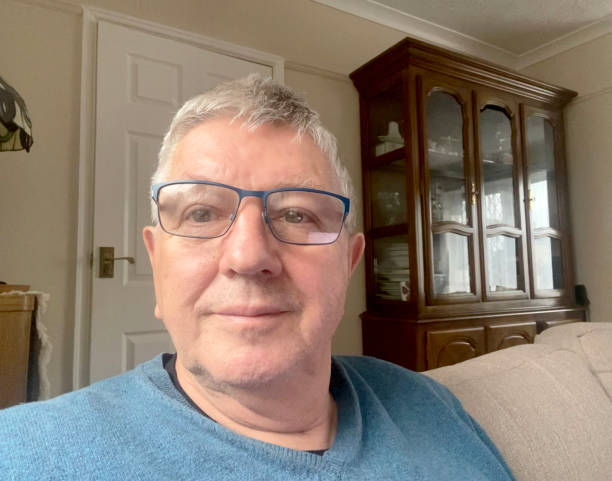
"I Spent $22,000 on Braces, Walkers, and Therapy That Never Straightened My Walk. A $60 Device Let Me Walk in a Straight Line Again."
I was sixty-one when the stroke took my right side. The leg came back strong enough to stand on, but it would not bend. My knee locked straight. My foot dangled. Every step was a production: hike the hip, lean left, swing the right leg outward in a wide arc, slam the foot down, and repeat. My physical therapist called it circumduction. I called it the tugboat walk, because my good left side was hauling the dead weight of my right leg through every single step.
The worst part was not the leg itself. It was what the swing was doing to everything else. My lower back screamed from the constant twisting. My good hip ached from absorbing forces it was never designed to handle. I would look at the soles of my shoes and see the left one ground smooth from all the extra work while the right one barely showed any wear. I was destroying my healthy side just to drag my affected side forward.
Over two and a half years, I tried everything. Two custom AFO braces at $2,500 each. They locked my ankle in plastic and made the swing wider, not narrower. A specialized rolling walker at $700. Canes. Physical therapy three times a week at $175 per session. Botox injections for the spasticity at $1,200 a round. Total spent: over $22,000. And I was still swinging, still hip-hiking, still exhausted by noon from a walk that should have taken five minutes.
My wife stopped suggesting walks because she knew I would be too drained afterward to do anything else. My grandchildren learned to stay out of the arc when I walked because the swinging leg had nearly knocked my four-year-old granddaughter off her feet twice. A man at the hardware store once grabbed my arm and asked if I was "all right" because the swing made it look like I was about to fall. I was fine. That is just how I walk now. Except it was not fine. None of it was fine.
Then Dr. Jones explained something no one else had: the AFO brace was not fixing the swing. It was making it worse. By freezing the ankle in plastic, it turned my leg into an even stiffer peg, which forced my hip to work even harder to arc it forward. The real solution was not to brace the joint. It was to restore the fold. To fire the muscles that lift the foot and release the ones that lock the knee, so the leg could finally swing forward in a straight line instead of an arc. He told me about EMS, how it acts like an external signal that replaces what the stroke destroyed.
I ordered Restural that night because I had nothing left to lose.
Robert M., 61, Charlotte, NC. Post-Stroke Circumduction Gait with Severe Hemiparesis. 8 weeks with Restural EMS.
Keep Propping Up the Body
- AFO braces that freeze the ankle and widen the swing
- Canes and walkers that do nothing to restore the fold
- PT sessions that cannot provide enough daily repetition
- Botox that wears off and never retrains the motor pattern
- Still swinging, still hip-hiking, still exhausted by noon
- $22,000+ spent on aids that never addressed the cause
Your good side wears out. The swing gets worse.
$60 Today
Restural EMS, 20 Min Twice Daily
- ✓ Dynamically lifts the foot without freezing the ankle
- ✓ Breaks the spasticity that locks the knee straight
- ✓ Eliminates the hip-hiking and torso tilting
- ✓ Turns the wide swing arc into a straight, fluid stride
- ✓ Zero side effects, zero cognitive impact
- ✓ 90-day money-back guarantee

Why Every Day You Wait Makes This Harder
Your spasticity is getting worse. In the months and years after a stroke, the spastic muscles in your affected leg tighten progressively. The calf shortens. The quadricep stiffens. The window for retraining the motor pattern narrows with every week of disuse. Early intervention gives your nervous system more flexibility to work with.
Your good side is breaking down. Every day you swing that rigid leg, your healthy hip absorbs forces it was never designed for. Your lower back twists hundreds of times during a single walk. Your good knee takes double the impact load. Stroke survivors with circumduction gait have dramatically higher rates of lower back pain, contralateral hip degeneration, and good-side knee replacement. You are not just living with a bad walk. You are slowly grinding your remaining healthy joints to dust.
Your energy is disappearing. Because swinging a stiff leg requires recruiting your core, your back, and your entire torso with every step, walking to the mailbox drains the same energy as running a mile. You have to choose between walking or having the energy to cook dinner. Between going to the store or being able to play with your grandchildren. Each day the circumduction continues, you lose a little more of the stamina that makes independent living possible.
Over 12,000+ stroke survivors are currently using Restural EMS. The return rate on the past 10,000 orders is less than 0.5%.
The question is not whether it works. The question is how many more months you are willing to swing, hike, and grind your good side into the ground.
Try It for 90 Days. If You Are Still Swinging, Pay Nothing.
I understand the skepticism. You have spent thousands on braces that locked your ankle in plastic and made the swing worse. Walkers that slowed you down. Therapy sessions that helped for an hour and faded by evening. So let me make this simple:
Use Restural EMS for 90 days. Follow the protocol: 10 to 20 minutes twice daily, feet flat on the pad. By Day 3, you should feel the spastic muscles in your calf beginning to release after each session. The rigidity will ease. By Day 12, the circumduction arc should begin to narrow. Your hip will not have to hike as high. By Day 30, you should notice that your stride is becoming more symmetrical and your good side is under less strain. By Day 60, you and your therapist should be discussing whether the AFO brace can start staying in the closet.
If it does not work for you, for any reason, with no explanation required, just contact Restural and get every dollar back. 100% money-back guarantee, no questions asked, within 90 days. On the past 10,000 orders, fewer than 0.5% of customers have requested a refund. The device works. The guarantee exists because they know it works.
The brace froze your ankle. The cane gave you something to lean on. The pills did not exist. You have 90 risk-free days to actually restore the fold.
Day 1
"The first session, I felt the pulses moving through my calf and into my foot, and something released. Not a stretch. A release. The calf muscle that had been clamped tight for two years just let go. I stood up afterward and my knee bent. Not much. But it bent. It had not done that since the stroke. I sat down and did a second session immediately because I was afraid the feeling would disappear."
Day 5
"I walked to the kitchen and my wife said, 'Your leg went straight.' I did not understand what she meant at first. Then I realized: the arc had narrowed. My leg was not swinging as far out to the side. The hip-hike was smaller. I was not leaning as hard to the left. Something in the motor pattern was shifting. Five days. After two and a half years of swinging."
Day 12
"I walked into the grocery store and did not knock a single display with my swinging leg. That had never happened. Not once since the stroke. My leg was tracking forward instead of arcing outward. I could feel my knee bending slightly with each step, something the AFO brace had made impossible because it locked everything rigid. A woman walked past me in the aisle and did not stare. She did not even notice. That was the best part. She did not notice."
Day 30
"I looked at the soles of my shoes for the first time in months. The wear was more even. Both sides showed similar patterns. For two years, my left shoe had been ground smooth while the right one stayed almost new. Now they were wearing together. Evenly. Like a normal person's shoes. My wife and I walked to the park and she held my hand. Not to steady me. Because that is what married people do when they walk together. I left the cane by the front door. It is still there."

4.8/5 based on 3,791 ratings
 90 Day Money Back Guarantee
 Free & Fast Worldwide Shipping
 Safe & Secure Checkout
 No-Hassle Returns
P.S. If you are still wearing an AFO brace because your doctor said there is nothing else for circumduction, I understand. I told my patients the same thing for seventeen years. But the evidence is clear: rigid braces freeze the ankle and make the swing wider, not narrower. EMS dynamically fires the muscles at the right moment and forces the spastic ones to release, so the leg can finally fold and swing forward in a straight line. The question is not whether it works. The question is how many more months you want to spend swinging, hip-hiking, and grinding your good side into the ground.
P.P.S. Robert spent $22,000 on braces, walkers, and therapy that never straightened his walk. Eight weeks with his feet on a pad in his living room and he walked to the park, held his wife's hand, and left the cane by the front door. $60. That is what it cost to walk in a straight line again. Do not wait like he did.
NOTICE: The current sale on Restural EMS ends tonight at midnight. Once the sale closes, the 40% discount disappears.
Stroke survivors with circumduction gait can lock in their order now at 40% off before the price resets.
The 90-day money-back guarantee means zero risk. If you are still swinging, you pay nothing.
Hurry, inventory is limited and the sale ends at midnight tonight.

Restural EMS. Clinically backed EMS technology. 90-Day Guarantee. Worldwide tracked shipping.
90 Day Money Back Guarantee
Free & Fast Worldwide Shipping
Safe & Secure Checkout
No-Hassle Returns
Recommended
GET 40% OFF NOW
Customer Reviews
Comments
Linda T.
The "tugboat walk" description is my life. My good side is completely worn out from hauling my stiff right leg for three years. My left hip aches constantly and my lower back is destroyed. I ordered this last night because I cannot keep grinding my healthy joints into the ground just to move forward. Praying this works.
Carol K.
Linda, I was in the same position. Two weeks in and the arc is noticeably narrower. My husband said my walk looks "more normal" for the first time since the stroke. The hip-hiking has decreased and my lower back pain is actually improving because I am not twisting with every step. Give it time. It works.
Frank L.
The part about the AFO making the swing worse is 100% accurate. My brace locked my ankle so tight that my entire leg became a rigid peg. The circumduction arc actually got wider after I started wearing it. I ditched the brace two weeks into using this device and my walk immediately improved. My knee is bending again for the first time in fourteen months. That alone is worth ten times the price.
Jim M.
I knocked my granddaughter over with my swinging leg at a family barbecue last summer. She was fine, but I was not. I sat in the car for twenty minutes trying to stop crying. Ordered this the next day. Three weeks later I walked through the same backyard with my grandkids running around me and my leg tracked straight. No arc. No near-misses. My daughter said, "Dad, you look like you again." Worth every penny.
Diane D.
My husband and I used to walk to the coffee shop every morning. After his stroke, we stopped because the swing walk exhausted him before we got halfway there. The energy drain from circumduction is real. His entire core and back were working overtime just to move his stiff leg forward. Six weeks into using this device and we did the full walk last Saturday. He was tired but not destroyed. He even had energy to cook dinner afterward. That has not happened in over a year.
Sandra R.
My PT explained the "reciprocal inhibition" concept and said this device uses the same FES principle she applies in clinic, except I can do it at home twice a day instead of once a week. She was right. The combination of weekly PT plus daily EMS has completely changed my husband's gait. He went from a wide circumduction arc to a nearly straight stride in six weeks. His PT measured it. Arc width decreased by 45% and hip-hike reduced by over half.
Barbara V.
I was spending $4,800 a year on custom AFO braces and specialist appointments. The braces turned my leg into a stiff robot limb and my ankle got weaker from being locked in place. This device cost me $60 and it has done more for my actual walking pattern than two years of braces ever did. My ankle is stronger because it is actually moving again. The sole of my good shoe is not grinding down twice as fast anymore. The economics alone should make this the first thing every stroke survivor tries.
Helen C.
I use it every morning before I get out of bed and every evening before sleep. Morning session releases the spasticity and reconnects the signal for the day. Evening session reinforces the motor pattern while I sleep. I went from swinging my leg in a full semi-circle, knocking furniture and tripping on rugs, to walking a nearly straight line through every room. My husband moved the extra padding he had put on the doorframes to protect them from my swinging leg. We did not need it anymore.
Dr. Patricia S.
Neurologist here. Circumduction gait is one of the most undertreated consequences of stroke because we have no drug for it. We hand patients an AFO brace and a cane and call it management. I have been recommending daily EMS as an adjunct for motor retraining and spasticity reduction for fourteen months now. Of my 32 post-stroke circumduction patients using daily protocols, 24 have shown measurable reductions in arc width and hip-hiking. The mechanism is sound: peroneal nerve activation with reciprocal inhibition of the spastic antagonists. The fact that patients can access this for $60 without a prescription is remarkable. This should be standard of care for every stroke survivor with circumduction.