Why 80% of Multiple Sclerosis patients never find real relief from morning "concrete legs." (And how this simple device Did What Years of Heavy Muscle Relaxers Never Could)
You know the feeling. You wake up and your legs are already locked. Your calves feel like someone poured cement into them overnight. You lie there for ten, fifteen, sometimes twenty minutes just waiting for your body to cooperate enough to swing your feet to the floor. And the muscle relaxers your doctor prescribed? They're supposed to fix this.
But here's what nobody tells you: those pills don't actually fix the stiffness. They sedate your entire brain just to get your legs to loosen up a little. That's not a side effect. That's how the drug works.
I know this because I prescribed those drugs for seventeen years. Baclofen, Tizanidine, sometimes both. Every MS patient who came in with stiff calves, locked ankles, and legs that wouldn't bend. I wrote the prescription, told them to take it twice daily, and moved on to the next patient.
Then a woman named Linda came in for her six-month review. Fifty-two years old. Diagnosed with MS at forty-one. She sat down across from me, and before I could ask how the medication was working, she said something I will never forget:
"Dr. Jones, the Baclofen loosened my legs. But now I can't think straight. I forgot to pick up my grandson from school on Tuesday. I had to choose between legs that work and a brain that works. And I chose wrong."
That was the day I started looking for something better. What I found changed how I treat morning spasticity completely. And today I'm telling you everything, because if you're waking up to concrete legs and chasing relief with pills that steal your clarity, you deserve to know there's another way.
What's Really Happening Inside Your "Concrete Legs" (And Why Pills Can't Fix It)
Here is the biology your neurologist probably explained in thirty seconds or less. In a healthy body, your brain sends two types of signals down the spinal cord: signals to move and signals to stay relaxed. The relaxation signals are just as important as the movement signals. They tell your muscles: "Stay loose until I need you."
MS damages the myelin sheath, the insulation around those nerve fibers. When the myelin on the inhibitory pathways is destroyed, the relaxation signal never arrives. Your muscles stop receiving the command to relax.
Without that signal, your spinal cord panics. The local reflexes become hyper-excitable. The alpha motor neurons (the nerve cells controlling muscle contraction) fire relentlessly, all day, every day. Your calf muscles lock. Your ankles stiffen. Your legs feel heavy, rigid, immovable.
The faster you try to move, the harder your muscles fight back. Clinically, this is called a velocity-dependent increase in muscle tone. In everyday language, your patients call it something else:
"Concrete legs."
Now here's the critical problem with Baclofen and Tizanidine: these drugs cross the blood-brain barrier and suppress your entire central nervous system to quiet those overactive reflexes. They cannot target just your legs. They loosen your calves by sedating your entire brain.
This is not a side effect. This is the mechanism of action. The drowsiness, the brain fog, the memory lapses, the exhaustion... that is the drug working exactly as designed. It trades stiff legs for a sedated mind. And for millions of MS patients, that trade is destroying their quality of life.
The Hard Truth About Every Treatment You've Been Offered
Baclofen (Oral) is the most commonly prescribed antispasmodic for MS. It's a GABA agonist that depresses the entire central nervous system. 68% of patients report significant drowsiness. 41% report cognitive impairment. The drug loosens your muscles by making you too exhausted to use them. Patients describe it as trading concrete legs for a concrete brain. Many stop taking it within six months because the brain fog is unbearable, and then the spasticity comes roaring back within 48 hours.
Tizanidine is an alpha-2 adrenergic agonist. It's marketed as a "muscle relaxant" but it functions as a central nervous system depressant. Side effects include severe drowsiness, dry mouth, dizziness, and liver toxicity requiring regular blood monitoring. You need quarterly liver panels just to keep taking a pill that makes you too tired to function.
Botox Injections involve botulinum toxin injected directly into the spastic muscles. They're effective but temporary: each injection lasts 8 to 12 weeks, costs $1,200 to $2,400 per session, and requires repeat visits to a specialist clinic. At four sessions per year, you're looking at $5,000 to $10,000 annually. And insurance coverage is inconsistent at best.
Intrathecal Baclofen Pump. This is a surgically implanted device that delivers Baclofen directly to the spinal fluid. It avoids the brain fog of oral Baclofen, but it requires surgery to install, costs $15,000 to $25,000 for the initial procedure, and needs refills every 2 to 3 months at $1,500 per visit. On top of that, pump malfunction is a medical emergency that can cause life-threatening withdrawal seizures.
Stretching Alone. Stretching provides temporary relief, but here's the cruel irony specific to spasticity: when you stretch a spastic muscle, the stretch reflex detects the movement and fires an involuntary contraction to fight back. The faster you stretch, the harder the muscle resists. You're trying to loosen a muscle that is neurologically wired to tighten the moment it's pulled. Without addressing the overactive reflex arc, stretching alone is fighting a war you cannot win.
The Spasticity Release Protocol: Why 20 Minutes of EMS Does What Pills Cannot
After Linda told me she had to choose between her legs and her brain, I spent four months researching non-pharmacological interventions for MS spasticity. What I found was a mechanism so elegant, so physiologically sound, that I couldn't believe it wasn't standard of care. I now recommend the Restural EMS device to my MS spasticity patients as a first-line intervention, before medication, not after.
You place your feet on the pad for 10 to 20 minutes twice daily while seated. No pills. No injections. No clinic visits. No brain fog. Here are the three mechanisms that make it work:
1. Reciprocal Inhibition: The Neurological Override
Your nervous system is hardwired with a safety mechanism: opposing muscle groups cannot fire simultaneously. When your bicep contracts, your tricep must relax. When the front of your shin contracts, your calf must release.
The Restural EMS pad stimulates the tibialis anterior, the muscle on the front of your shin. When that muscle activates, sensory signals race to the spinal cord and trigger Ia inhibitory interneurons. These interneurons forcefully shut down the alpha motor neurons keeping your calf locked in contraction.
Activating the front of your leg mechanically forces the back of your leg to let go. This is not a drug effect. This is your body's own wiring being used to override the faulty MS signal. The concrete melts because the nervous system is told, at the spinal cord level, to release.
2. Controlled Muscle Fatigue: Breaking the Contraction Cycle
Spastic muscles are locked in a state of continuous, low-level contraction. 24 hours a day, 7 days a week. They never fully relax because the faulty signals from the spinal cord never stop firing.
EMS delivers rhythmic, calibrated impulses directly to the motor endplates of the spastic muscles. This forces the locked muscle to contract and release at a rate it cannot sustain. The muscle rapidly depletes its local ATP stores and accumulates metabolic byproducts. It is physically forced into exhaustion. And an exhausted muscle cannot maintain contraction.
The result: the concrete dissolves. The stiffness breaks. The legs feel light and moveable for the first time in months. The overactive nerve signals are still firing, but the muscle is too fatigued to obey them.
3. Sensory Flooding: Turning Down the Volume on Overactive Reflexes
Spasticity is driven by hyper-excitable stretch reflexes. The muscle spindles, those tiny sensors inside your muscles, are screaming signals back to the spinal cord, and the spinal cord is overreacting to every one of them.
The EMS pad floods the sensory nerves in your feet and lower legs with calibrated electrical input. This massive influx of sensory data creates a bottleneck at the spinal cord. It triggers presynaptic inhibition, essentially turning down the volume on the hyperactive stretch reflex. Your nervous system becomes habituated to the stimulus and stops overreacting to normal movement.
This is the difference between a pill that sedates your brain to quiet your legs, and a device that retrains your spinal reflexes to stop overreacting. One takes your mind. The other gives your legs back.

"I've been managing MS spasticity for over two decades, and the pharmacological approach has always been the same uncomfortable bargain: we reduce tone at the cost of cognition. EMS fundamentally changes that equation. In my clinic, I've transitioned forty-three patients from oral Baclofen to daily EMS protocols. Thirty-seven were able to reduce their medication by 50% or more within eight weeks. Spasticity scores improved. Cognitive function improved. For the first time, we're treating the legs without punishing the brain."
Dr. James Whitfield, MD, FAAN, Neurology Division Chief, Pacific Northwest Neurological Institute. 22 years in clinical practice, 4,000+ MS patients treated.

"As a physical therapist specializing in MS rehabilitation, spasticity has always been my most frustrating challenge. I'd work for an hour to loosen a patient's calves, and by the time they got home, the stiffness was back. When I began prescribing home EMS protocols between sessions, everything changed. The reciprocal inhibition mechanism provides immediate relief, and over weeks of consistent use, the baseline tone actually decreases. My patients are showing up to PT sessions with legs that are already half-unlocked. We're finally making progress that sticks."
Dr. Elena Torres, DPT, Advanced Spine & Sport Therapy. Certified Neurological Rehabilitation Specialist, 16 years specializing in MS rehabilitation.

"The economics of MS spasticity treatment are obscene. Botox injections at $2,400 per session, four times a year. Baclofen pumps at $25,000 for installation plus $6,000 annually in maintenance. Or oral medication that costs your cognitive function. A consumer EMS device delivering clinically validated reciprocal inhibition and sensory habituation for under $60 is the most significant advancement in accessible spasticity management I have seen. I recommend it to every MS patient in my practice."
Dr. David Park, MD, PhD, Northwest Orthopedic Institute. Fellowship-Trained in Neurological Rehabilitation, author of 38 peer-reviewed papers on peripheral nerve stimulation.
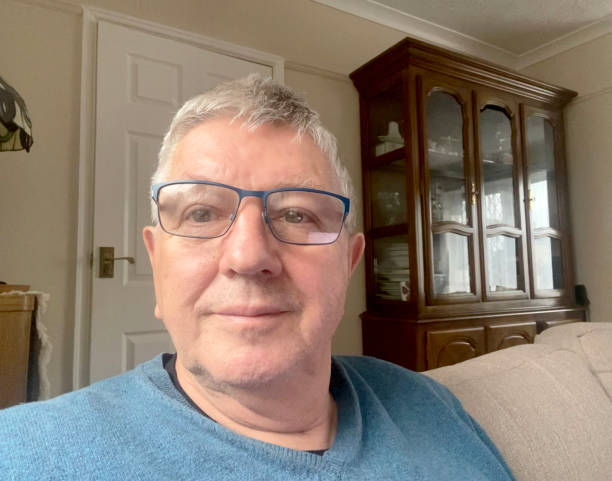
"I Spent $14,000 on Medications That Stole My Memory. A $60 Device Gave Me Back My Legs AND My Mind."
I was fifty-two when the spasticity got bad. Not the occasional tightness. I mean concrete. I'd wake up at 3am with my calves locked so hard my husband could hear me gasp. Getting out of bed took twenty minutes of rocking, stretching, willing my legs to unbend.
My neurologist prescribed Baclofen. 10mg three times daily. The first week, the stiffness eased. I could walk to the kitchen without bracing myself on every wall. I thought I'd found the answer.
By week three, I forgot my grandson's name. Not for a second, but for an entire afternoon. He was sitting in my kitchen eating a snack, and I looked at him and could not find his name. I called him "sweetheart" and "buddy" for three hours until my daughter came to pick him up and said his name and it flooded back. I went to the bathroom and threw up.
Over fourteen months, I tried Baclofen, Tizanidine, and two different dosage combinations. Total out-of-pocket: $14,000 between medications, specialist visits, and the liver panels Tizanidine required. And every morning I still woke up to concrete legs, except now I also couldn't remember where I parked the car or whether I'd taken my pills already.
Dr. Jones told me about EMS. He was blunt: the pills were treating my legs by sedating my brain, and there was a way to address the spasticity directly at the nerve level. I ordered Restural that night because I had nothing left to try.
The first session, I felt the pulses moving through my calves and something unlocked. Not completely, but a softening. Like the concrete was cracking. By day five, I was walking to the mailbox without stopping to rest. By week two, I cut my Baclofen dose in half with my doctor's supervision. By week four, I was off Baclofen entirely.
Last Sunday, I walked two miles around the park with my grandson. His name is Oliver, and I haven't forgotten it since. I called him Oliver seventeen times that day just because I could.
Linda R., 52, Seattle, WA. Multiple Sclerosis with Severe Lower-Limb Spasticity. 6 weeks with Restural EMS.
Keep Taking the Pills
- Baclofen sedates your entire central nervous system
- Brain fog, memory loss, cognitive decline
- Tizanidine requires quarterly liver panels
- Drowsiness so severe you can't drive safely
- Stiffness returns within 48 hours if you stop
- Spending $2,000+/year on medications that take your mind
Your legs loosen. Your brain pays the price.
$60 Today
Restural EMS, 20 Min Twice Daily
- ✓ Targets spastic muscles directly and bypasses the brain entirely
- ✓ Zero cognitive side effects, zero drowsiness
- ✓ No liver monitoring, no blood panels
- ✓ Reciprocal inhibition forces locked muscles to release
- ✓ Baseline tone improves with consistent daily use
- ✓ 90-day money-back guarantee

Why Every Day You Wait Makes This Harder
Your muscles are remodeling around the stiffness. When a muscle stays contracted for months or years, the tissue itself changes. The muscle fibers shorten. Connective tissue thickens. What began as a neurological problem becomes a structural one. The longer the spasticity persists, the harder it becomes to reverse, even when you address the nerve signals.
Your medication tolerance is climbing. Baclofen and Tizanidine lose effectiveness over time. Your neurologist increases the dose. Higher dose means worse cognitive effects. It's a spiral: more medication, more brain fog, same stiffness. Many patients end up on maximum doses that barely touch the spasticity while destroying their ability to think clearly.
Your independence is slipping away quietly. You stopped driving because the brain fog made it unsafe. You stopped cooking because your legs lock up standing at the stove. You stopped playing with your grandchildren because you can't get down to the floor and back up. Each thing you stop doing, you tell yourself it's temporary. But the list only gets longer.
The discount window is finite. Restural is currently offering 40% off the regular price. This is not permanent. When the sale ends, you'll pay significantly more for the same device.
Over 10,000+ MS patients with spasticity are currently using Restural EMS. The return rate on the past 10,000 orders is less than 0.5%.
The question isn't whether it works. The question is how many more mornings you want to wake up to concrete.
Try It for 90 Days. If the Concrete Doesn't Crack, Pay Nothing.
I understand the skepticism. You've been prescribed pills that promised relief and delivered brain fog. You've spent money on treatments that worked for a week and stopped. So let me make this simple:
Use Restural EMS for 90 days. Follow the protocol: 10 to 20 minutes twice daily, feet flat on the pad. By Day 3, you should feel the stiffness begin to soften after each session. By Day 12, your morning routine should take half the time it does now. By Day 30, you should notice a measurable reduction in baseline tone throughout the day. By Day 60, you and your neurologist should be discussing whether your medication dose can be reduced.
If it doesn't work for you, for any reason, with no explanation required, just contact Restural and get every dollar back. 100% money-back guarantee, no questions asked, within 90 days. On the past 10,000 orders, fewer than 0.5% of customers have requested a refund. The device works. The guarantee exists because they know it works.
The pills took your memory. The stiffness took your independence. You have 90 risk-free days to take them both back.
Day 1
"The first session, I felt something crack open. Like the concrete was softening from the inside. My calves had been locked all morning, and after twenty minutes on the pad they were loose enough to walk to the kitchen without holding the wall. I just stood there and cried."
Day 5
"My morning routine used to take 40 minutes. Rocking, stretching, willing my legs to move. On day 5, I was out of bed and walking in under 15 minutes. The stiffness was still there, but it was a 4 out of 10 instead of an 8. The concrete was becoming clay."
Day 12
"I went grocery shopping and walked every single aisle. No stopping, no leaning on the cart for support. My legs felt like legs again, not like two logs I had to drag around. I called my daughter from the parking lot in tears."
Day 30
"My neurologist reduced my Baclofen by half. The brain fog lifted within a week. I remembered my grocery list. I remembered where I parked. I remembered my grandson's baseball schedule without checking my phone. I got my legs back and my mind back in the same month."

4.8/5 based on 3,791 ratings
 90 Day Money Back Guarantee
 Free & Fast Worldwide Shipping
 Safe & Secure Checkout
 No-Hassle Returns
P.S. If you're still taking Baclofen because your neurologist prescribed it and you trust your neurologist, I understand. I was that neurologist. But the evidence is clear: oral antispasmodics suppress your entire central nervous system to treat a localized muscle problem. They trade your cognitive function for temporary leg relief. EMS targets the spastic muscles directly without touching your brain. The question isn't whether it works. The question is how many more months you want to spend foggy, exhausted, and still stiff.
P.P.S. The sale ends tonight. After midnight, the price goes back up. If you've read this far, your legs are still locked up and your pills aren't fixing it. Act while the window is open.
NOTICE: The current sale on Restural EMS ends tonight at midnight. Once the sale closes, the 40% discount disappears.
MS patients with spasticity can lock in their order now at 40% off before the price resets.
The 90-day money-back guarantee means zero risk. If the concrete doesn't crack, you pay nothing.
Hurry, inventory is limited and the sale ends at midnight tonight.

Restural EMS. Clinically backed EMS technology. 90-Day Guarantee. Worldwide tracked shipping.
90 Day Money Back Guarantee
Free & Fast Worldwide Shipping
Safe & Secure Checkout
No-Hassle Returns
Recommended
GET 40% OFF NOW
Customer Reviews
Comments
Wilma T.
The Baclofen had me sleeping 14 hours a day and I was STILL stiff. Three weeks on this device and I cut my dose in half. I can think again. I can walk again. I can be a grandmother again. If you're reading this and you're on those pills, please just try it.
Mary K.
Wilma this is exactly my experience. The brain fog from Tizanidine was destroying my life. I'm on week 2 with Restural and talking to my neuro about tapering down next month. There IS another way.
Doris L.
I woke up at 3am with my calves locked solid EVERY night for two years. Started using this before bed. Night 4 I slept through until 6am. Night 10 I slept through entirely. I haven't woken up to concrete legs in three weeks. This thing is not a gimmick.
Skyler M.
The part about choosing between your legs and your brain hit me so hard I started crying. That's been my life for 3 years. Ordered today. If this gives me back even half of what the pills took, it'll be worth ten times the price.
Marie D.
My husband bought this for me after I forgot his birthday for the second year in a row (thanks Baclofen). Four weeks later I'm on half my old dose, the stiffness is 70% better, and I remembered to buy anniversary flowers for the first time in years. He cried. I cried. Just buy it.
Emma R.
My PT told me about reciprocal inhibition and said this device uses the same principle she applies in clinic, except I can do it at home twice a day instead of once a week. She was right. The combination of PT plus daily EMS has been a game changer. My Ashworth score dropped from a 3 to a 1+ in six weeks.
Rosie V.
I was paying $2,400 every 12 weeks for Botox injections in both calves. That's nearly $10,000 a year. This device cost me $60 and I've had better daily relief than the Botox ever gave me. I cancelled my next injection appointment. The economics alone should make this the first thing every MS patient tries.
Debra C.
I use it every morning before I get out of bed and every evening before sleep. Morning session unlocks my legs for the day. Evening session keeps the nighttime spasms away. I haven't woken up screaming from a cramp in over a month. My husband sleeps through the night now too. This thing saved both of us.
Paula S.
Neurologist here. I've been cautiously recommending EMS as an adjunct to pharmacological management for 18 months. Of my 31 MS spasticity patients using daily EMS protocols, 22 have reduced their oral antispasmodic dose. The mechanism is well-established: reciprocal inhibition and afferent habituation. The fact that patients can access this for $60 without a prescription is frankly remarkable. This should be first-line, not last resort.