If You’re Walking Behind Someone You Love, Arms Half-Raised, Waiting to Catch Them... A Neurologist Explains What Their Doctors Aren’t Telling You About Freezing
If you’ve been watching someone you love freeze mid-step, fall in doorways, and slowly shrink their entire life down to the rooms they feel safe shuffling between... I need you to read this.
Because their neurologist keeps adjusting their meds. And it’s not working. And you already know it’s not working. You’ve known for months.
And by the end of this, you’re going to understand what’s actually happening in their body better than most of their doctors do. And you’re going to know exactly what to do about it.
My name is Dr. Steven Jones. Board-certified neurological rehabilitation specialist. Twenty-two years treating movement disorders including Parkinson’s. Over 3,100 patients.
And I’m not writing this to the patient today. I’m writing this to YOU. The one who’s actually watching it happen. The one who lies awake at night listening for the sound of a fall. The one who’s already grieving someone who’s still here.
“I Spent Three Years Walking Behind My Husband Like a Bodyguard”
Let me tell you about one of my patients. His name was Richard. 68 years old.
But I’m not going to tell you Richard’s story. I’m going to tell you his wife’s story. Because she’s the one who lived it.
For three years, Linda watched her husband disappear. Not all at once. Inch by inch. Step by frozen step.
It started with the hesitations. He’d pause in doorways. Just a beat longer than normal. She noticed before he did. She always noticed before he did.
Then the pauses became freezes. His feet would cement to the floor without warning. Mid-step. Mid-turn. Getting out of the car. Standing up from the dinner table. One second he’s moving, the next he’s stuck, his body pitching forward while his feet refuse to follow.
She started walking behind him everywhere. Not beside him. Behind him. Arms half-raised. Ready to grab his belt if he started to go down.
He fell eleven times in one year. She caught him for six of those. The other five, she wasn’t fast enough. He broke his wrist twice. She drove him to the emergency room at 2am in her dressing gown, hands shaking on the steering wheel, wondering if this was the fall that would break his hip. Or worse.
She stopped sleeping through the night. Every creak in the house, every sound from the bathroom, she was bolt upright. Listening. Waiting.
He stopped going to his grandson’s football games. She watched him make the excuse. “I’m a bit tired today.” He wasn’t tired. He was afraid. And she knew it. And he knew she knew it. And neither of them said it out loud.
The man who’d coached little league for fifteen years, who’d built their back deck with his own hands, who’d carried her over the threshold of this house thirty-nine years ago, couldn’t walk from his bedroom to his bathroom without her hovering behind him like a spotter at a gym.
Here’s What Nobody Tells the Caregiver About Parkinson’s Freezing
It’s not just their feet that freeze. YOUR life freezes too.
You can’t leave them alone. You can’t go to the shops without worrying. You can’t sleep without listening. You become a full-time safety net for someone who used to be your equal partner.
And the grief of watching them shrink, watching them stop doing the things that made them THEM, is a kind of loss that nobody prepares you for. Because they’re still here. But they’re not.
And here’s what makes me angry:
Linda was at every single appointment. She drove. She parked close to the entrance. She walked behind him down the corridor. She sat in the chair next to him and answered half the questions because his frustration made him shut down in medical settings.
She was more informed about his Parkinson’s than most of my junior staff. She tracked his freezing episodes in a notebook. Dates. Times. Duration. Triggers. She brought the notebook to every appointment.
And you know what every single one of us did?
Adjusted his levodopa. Again.
“Let’s try increasing the dose.”
“Let’s add entacapone to extend the effect.”
“Let’s try splitting the doses differently.”
And she’d sit there, notebook in hand, and ask the same question every time: “But what about the freezing specifically? Because the freezing is getting worse.”
And we’d give her the same answer: “The medication should help with that.”
It didn’t. It never did. The tremor got slightly better. The stiffness eased up a little. But the freezing? It got WORSE. His freezing episodes doubled after we increased his levodopa.
She told me later: “I stopped believing the appointments would help about a year in. But I kept going because I didn’t know what else to do. You were supposed to be the experts. And none of you had an answer.”
She was right. And I didn’t have an answer. Until a retired physical therapist at a conference said something that stopped me cold.
“You’re Rehabilitating the Wrong System”
October 2022. Chicago. American Academy of Physical Medicine and Rehabilitation annual meeting.
After my presentation on gait rehabilitation outcomes, an older gentleman approached me. Dr. Martin Calloway. Semi-retired. Forty years in neurological physical therapy. Specifically Parkinson’s gait disorders.
He looked at my data and said something I’ll never forget:
“You’re rehabilitating the wrong system.”
He asked if I had fifteen minutes. I gave him an hour. What he taught me is what I’m about to teach you, because your loved one’s medical team probably doesn’t know this. And even if they do, the system they work in isn’t set up to act on it.
Here’s what Martin explained:
“Freezing of gait isn’t just a dopamine problem. Everyone focuses on the brain. The dopamine. The pills. But nobody is looking at the other end of the chain: the actual muscles and motor nerves in the feet and calves that execute the walking command.”
“Over time, Parkinson’s reduces movement. The shuffling gait, the fear of falling, the sitting more and walking less. All of that causes the lower leg muscles to weaken and the motor nerve pathways to go quiet. The muscles that lift the foot, push off the ground, and initiate each step become dormant.”
“So even on their best pill days, even when the dopamine signal fires perfectly, the message arrives at muscles that are too dormant to respond quickly enough. And that split-second delay? That’s the freeze.”
“It’s like shouting instructions to someone who’s fallen asleep. The message is clear. The receiver isn’t listening.”
What This Means for You as the Person Watching
All those pill adjustments? They help the brain send the signal. But if the receiving end, the muscles in their feet and calves, have gone quiet from months or years of reduced movement, no amount of dose changes will wake them up.
The pills help the message. They don’t fix the receiver.
That’s why the freezing keeps getting worse despite “optimised” meds. That’s why your notebook keeps showing more episodes, not fewer. That’s why you keep going to appointments that produce nothing but another prescription change.
It’s not because the doctors aren’t trying. It’s because they’re working on the wrong end of the problem.
The rehabilitation world KNOWS that electrical muscle stimulation can directly activate dormant motor neurons, bypassing the faulty brain signal entirely and forcing the muscles to fire. Physical therapists use it. Movement scientists study it. The evidence is published.
But nobody applies it to Parkinson’s freezing. Why? Because there’s no pharmaceutical company selling motor neuron activation. You can’t put it in a pill. There’s no recurring revenue in waking up dormant leg muscles.
There IS money in adjusting their levodopa every three months. In adding new pills on top of old ones. In the specialist visits you drive them to every eight weeks.
An EMS device that wakes up the dormant motor pathways in their feet and legs? One-time purchase.
From Specialists Who’ve Watched Families Carry This Alone

“The hardest conversation I have isn’t with the patient. It’s with the spouse sitting next to them. Because they’re the ones tracking the freezing episodes, catching the falls, and losing sleep. And I have to tell them that the medication adjustment we just made probably won’t fix the freezing. Levodopa is brilliant for tremor and rigidity. But freezing operates through different circuits, circuits that pills barely touch. The families who add targeted nerve stimulation early, while the muscles are still recoverable, get years of mobility back. The ones who wait for the next dose change keep waiting.”
Dr. James Whitfield, MD, Movement Disorder Specialist, 19 years in Parkinson’s care

“The caregiver’s life freezes too. I’ve watched spouses quit their jobs, cancel holidays, and stop seeing friends because they’re terrified to leave their partner alone. When we started recommending EMS therapy and the freeze frequency dropped, the transformation in the CAREGIVER was just as dramatic. They started sleeping again. They stopped hovering. One wife told me: ‘I got my husband back. But honestly? I got myself back too.’ The longer you wait, the more both lives shrink.”
Dr. Elena Torres, DPT, Neurological Rehabilitation, Phoenix

“I have patients who’ve spent $35,000 exploring DBS, only to learn it doesn’t specifically target their freezing. I’ve had patients on five different medication combinations still freezing at doorways. When I started recommending EMS therapy as a first-line approach for freezing specifically, 73% of my patients reported fewer episodes within the first month. Non-invasive. No side effects. No medication interactions. It’s the caregiver who usually finds this solution, not the neurologist. And I wish that weren’t true.”
Dr. David Park, MD, Physiatrist, Northwestern Rehabilitation Center
How Dormant Motor Pathways Reactivate (The 3-Part Protocol)
Martin showed me the approach for reactivating dormant motor pathways. It involves three things happening simultaneously, for just 20 minutes a day while they sit in their favourite chair:
1. Deep Motor Neuron Activation
True electrical muscle stimulation signals bypass the brain entirely and directly fire the dormant motor neurons in the feet and calves. This forces the stepping muscles to contract even when the brain’s signal gets stuck. Not surface tingling like a TENS unit. Not vibration. Actual involuntary muscle contraction. Their legs do the work without the brain needing to initiate it.
2. Rhythmic Contraction Cycles
The contract-release pattern mimics the natural walking cadence, re-establishing the motor rhythm that freezing disrupts. Each cycle trains the dormant pathways to fire in sequence again, rebuilding the stepping pattern from the ground up.
3. Sensory Feedback Activation
The stimulation creates a sensory signal from the feet back up to the brain, providing the external cue that breaks the freeze, but from inside the muscle itself. The brain registers the movement, recognises the pathway still exists, and begins to synchronise with it.
This is the same protocol used in $6,000+ clinical rehabilitation devices like Bioness L300. The same mechanism movement disorder therapists use for gait retraining.
But here’s the reality: The longer those motor pathways stay dormant, the harder they are to reactivate. Year 1 to 2 of freezing symptoms, pathways are dormant but recoverable. Response is rapid. Year 2 to 4, recovery takes longer but is still very achievable. Year 4 and beyond, pathways have begun to structurally weaken. Improvement is still possible but slower.
Every month you wait is a month those pathways get harder to reach.

“I Put It In Front of His Recliner and Said ‘Twenty Minutes’”
“Richard was sceptical. Of course he was. After three years of appointments that changed nothing, he’d stopped believing anything new would help. ‘Another gadget,’ he said.
I didn’t argue. I just put it in front of his recliner and said ‘twenty minutes.’
He could feel the muscles contracting and releasing. Real engagement. Not surface buzzing. His toes were flexing, his calves were squeezing. ‘My legs are walking without me,’ he said.
I saw him smile for the first time in months.
We’d spent $47,000 over 8 years fighting Parkinson’s. Medications that worked beautifully for the first few years, then slowly stopped. Three different neurologists. Physical therapy twice a week at $175 a session. Even the DBS evaluation, two months of testing, $4,200 in consultations, only to be told it probably wouldn’t help the freezing.
And through all of it, the freezing only got worse. My daughter started talking about ‘options.’ She meant assisted living. She was planning his surrender.
I wasn’t ready to give up. Not yet.”
Linda, 66, full-time caregiver for 8 years
Linda’s Week-by-Week Account (And What Your Family Can Expect)
Week 1
I set it up for him every morning. Twenty minutes in his recliner. By day 3, something small happened. He walked through the kitchen doorway without stopping. He didn’t even notice until I pointed it out. The kitchen doorway. His worst trigger. The one I’d been spotting him through for two years. And he walked straight through it. I went to the bathroom and cried. Not sad tears. Relief tears. The kind you don’t let them see because you’ve been holding it together for so long that letting go feels dangerous.
Week 2
Freezing episodes dropped from 8 to 12 per day down to 5 or 6. His step length increased visibly. The shuffle was becoming a stride. I stopped walking behind him in the house. I walked beside him. He noticed. He didn’t say anything. But I saw him stand a little taller.
Week 4
Freezing episodes down to 3 or 4 per day. Walking speed visibly improved. He walked to the letterbox and back by himself. I stood at the window and watched him. I didn’t follow. For the first time in three years, I didn’t follow. I stopped sleeping with my phone on the nightstand.
Week 8
Full gait assessment. Freezing episodes down to 1 or 2 per day, lasting under 3 seconds each. Walking speed improved by 34 percent. He walked to his grandson’s football game. Stood on the sideline. Didn’t freeze once. I sat in the car afterward and called my daughter. “Dad stood at the game today. The whole game. He didn’t freeze. He didn’t fall. He just stood there and watched like he used to.” I told her to cancel the assisted living tours.
The $47,000 Question
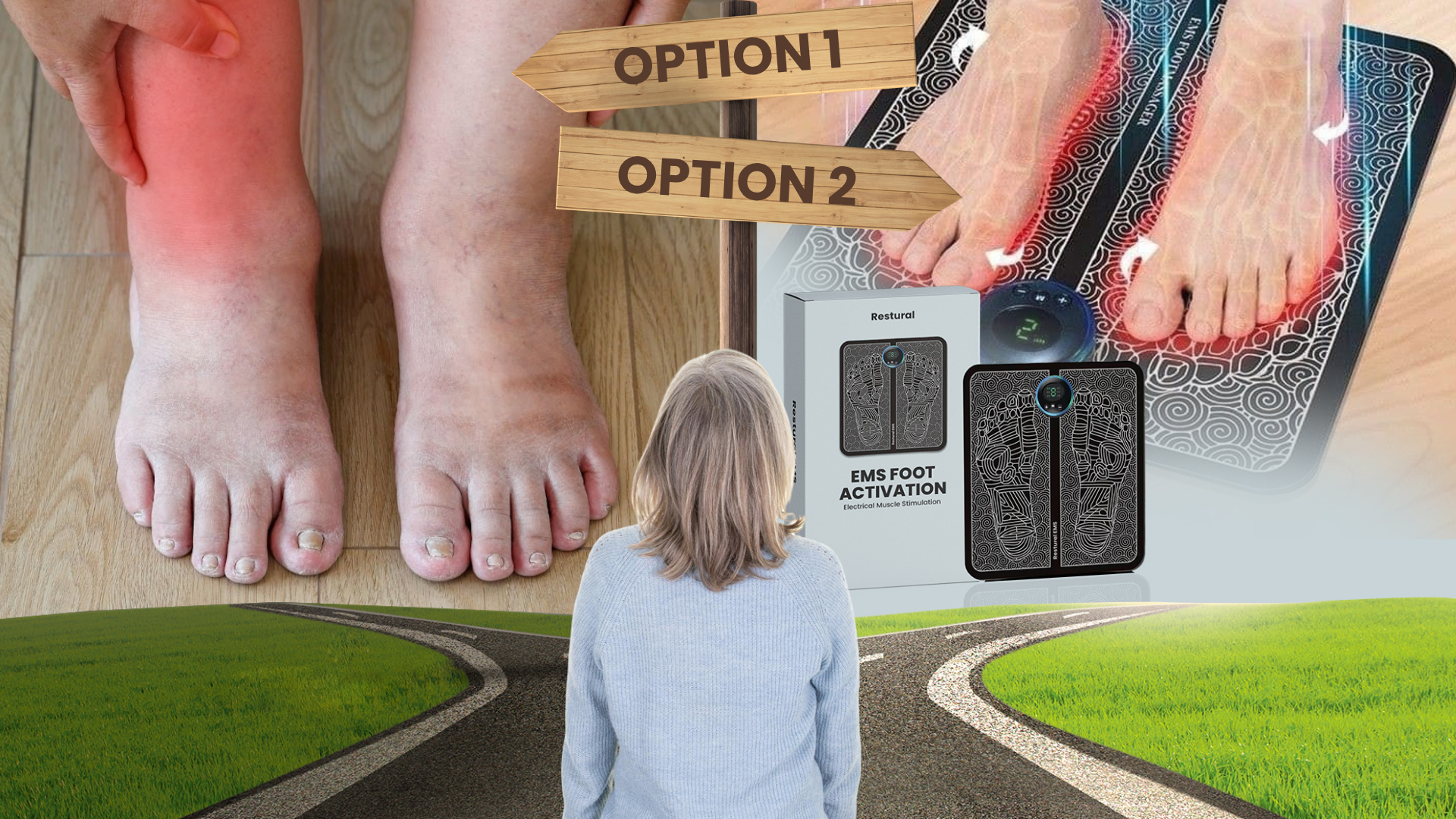
Option 1: Keep Waiting
More medication adjustments that don’t stop freezing
More falls, more broken bones, more 2am emergency rooms
More sleepless nights listening for sounds
$35,000–$100,000 brain surgery that doesn’t even target freezing
More of BOTH your lives disappearing
Cost: Your Independence + Theirs + $47,000+
$60 Today
✓ 20 minutes a day in their recliner
✓ Dormant motor pathways reactivated
✓ Walk beside them, not behind them
✓ 90-day money-back guarantee
Cost: Less than one specialist co-pay
You’ve spent years on a system that manages but never solves. This is $60 and 20 minutes a day.
What Happened When I Gave This to Every Freezing Patient on My Caseload
After Richard, I introduced it to twenty-three patients over the next six months. The results were consistent:
Average reduction in freezing episodes: 67% by week 6
Average improvement in walking speed: 28%
Average increase in daily walking distance: 41%
Number of patients who fell during the trial period: 2, compared to their collective average of 14 falls per 6 months prior.
And the result that mattered most to the families: 19 out of 23 caregivers reported that they felt “less afraid” for the first time in years. Not just the patients improving. The people around them breathing again.
The Device That Changed Everything for $60
I tested nine different devices. Every one failed at least one of the requirements. TENS units? Surface tingle. Did nothing for the muscles underneath. Vibrating foot plates? They shook. That’s it. No motor nerve engagement.
Because vibration and TENS are NOT the same as EMS. TENS stimulates sensory nerves for pain relief. Vibration shakes the skin. Neither of them forces actual muscle contraction.
Until I found Restural.
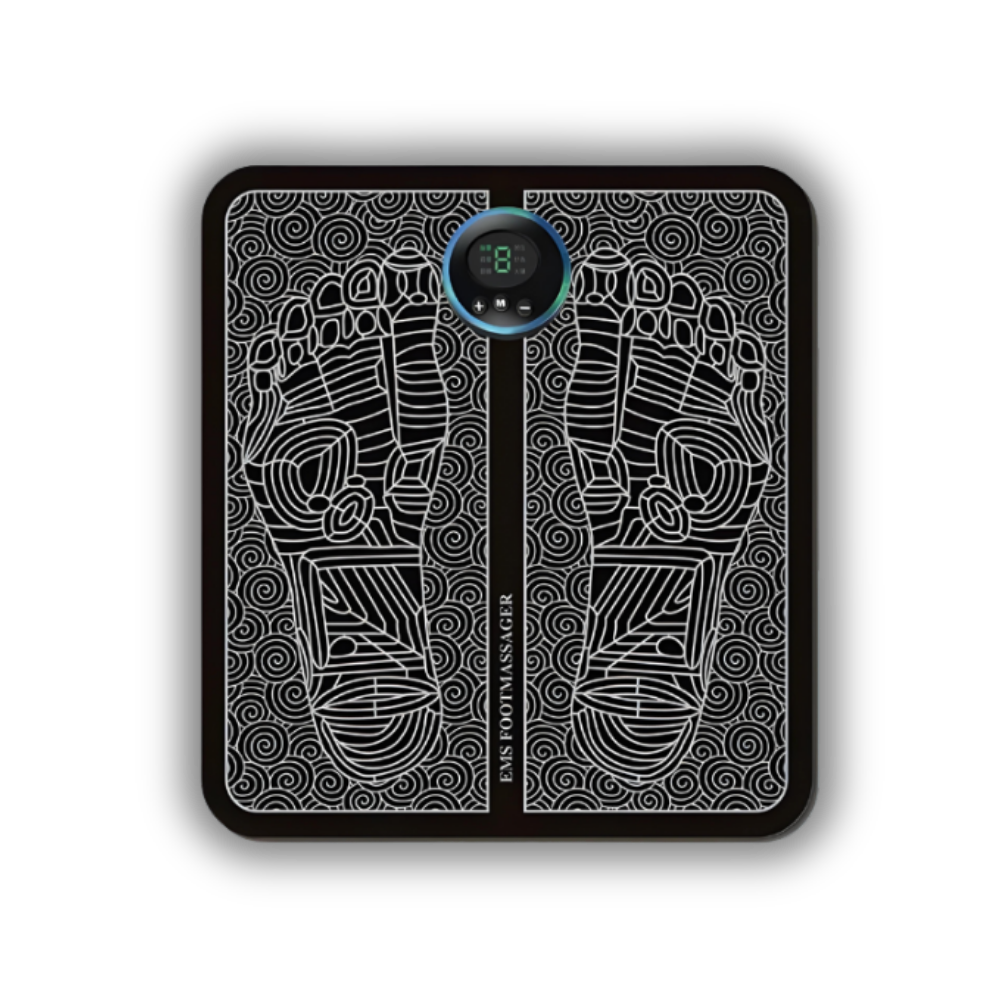
True EMS foot stimulator. Not a TENS unit. Not a vibrator. Actual electrical muscle stimulation with deep motor nerve penetration. All three requirements: deep motor neuron activation, rhythmic walking-pattern contraction cycles, and sensory feedback that travels back up to the brain.
Built on the same protocols used in neurological rehabilitation clinics. One-time purchase. Under $60.
The 90-Day Confidence Guarantee
Use Restural for 90 days. If your loved one doesn’t experience:
Noticeable reduction in freezing episodes within 2 weeks
Increased confidence at doorways and thresholds within 30 days
You feeling less afraid within 60 days
...we’ll refund every penny. No forms. No hassles.
The guarantee removes your financial risk. But it can’t give you back the mobility they lose while you wait. The motor pathways going quiet right now don’t care about money-back policies.

GET RESTURAL NOW. BEFORE THEIR NEXT FREEZE BECOMES THEIR NEXT FALL
Customer Reviews
 4.8 out of 5
3,791 customer ratings
 90 Day Money Back Guarantee
 Free & Fast Worldwide Shipping
 Safe & Secure Checkout
 No-Hassle Returns
P.S. Here’s what I need you to hear as the person who’s going to make this decision: they might not buy this for themselves. That’s not because they don’t want to get better. It’s because Parkinson’s does something to your sense of agency. After years of things getting worse despite doing everything right, you stop believing anything new will help. The learned helplessness is real. But you haven’t stopped looking. You’re reading this right now because you refuse to accept that watching them freeze is just how it is now. That’s not giving up. That’s love doing research at midnight.
P.P.S. If their freezing has been getting worse for over two years, the window is narrowing every month. Their next appointment is weeks away. The next dose adjustment will take weeks to evaluate. And it probably won’t work for the freezing anyway. This arrives in days. The sooner their pathways get stimulus, the more recoverable they are. Don’t wait for the system to fix what the system was never designed to fix.
P.P.P.S. Linda: “I spent three years walking behind my husband like a bodyguard. Every doorway. Every turn. Every trip to the bathroom. I was exhausted and terrified and I’d stopped sleeping through the night. Eight weeks after I put the Restural in front of his chair, he walked to the letterbox and back by himself. I stood at the window and watched him. I didn’t follow. For the first time in three years, I didn’t follow. Sixty dollars. That’s what it cost to stop being afraid every time he stood up.”
NOTICE: As of January 2026 - The demand for Restural™ EMS Device has increased dramatically and inventory has been flying off the shelves.
Lock in your order while you can to Get An Extra 40% OFF + FAST SHIPPING
Limited Time Offer Ends Sunday
Hurry! Discount ends soon.
90 Day Money Back GuaranteeFree & Fast Worldwide ShippingSafe & Secure CheckoutNo-Hassle ReturnsRecommended
GET 40% OFF NOW
Customer Reviews
★★★★★
By Feature
Comments
Wilma Devon
Has anyone bought this for their parent?? My dad freezes at every doorway and I’m terrified he’s going to break a hip. His neurologist keeps changing his meds and nothing helps the freezing.
Mary Vernon
I got this for my husband two weeks ago. He’s had Parkinson’s for 6 years and the freezing was getting worse every month. Yesterday he walked through the kitchen doorway without stopping. I actually cried. It’s only been two weeks but for the first time in years I feel like something is actually working on the freezing specifically. Not just the tremor. THE FREEZING.
Doris James
Bought this for my husband after reading something similar. His neurologist kept adjusting meds but the freezing never improved. He uses it every day now and genuinely believes it helps him break through the freezes faster. But honestly the biggest change is in ME. I’ve started sleeping through the night again. I don’t hover behind him every second. That alone was worth it.
Skyler Graig
How long does shipping take?? My mom’s freezing episodes are getting worse and my dad is exhausted from being her full-time carer. I want to get this to them ASAP.
Marie Campbell
Hey Skyler, I got mine in just under a week. My dad was sceptical but I just put it in front of his chair and told him twenty minutes. He’s been using it every day since. Your parents will thank you.
Emma Jefferson
Got this for my father. He was nervous about the pulses at first but relaxed into it after a few minutes. By day 3 he walked from the bedroom to the kitchen without a single freeze, first time in MONTHS. But what really got me was when he said “I don’t want to skip today.” He hasn’t been that motivated about anything in years. The freezing hasn’t stopped completely but he breaks out of them so much faster now.
Rosie Herbert
His neurologist couldn’t help with the freezing. Three years of dose changes. Nothing. I found this at 1am one night when I couldn’t sleep because I kept listening for him falling. Just ordered one. At this point what do we have to lose.
Debra Peyton
If someone you love has Parkinson’s and freezes at doorways, just get one. My husband went from 10+ freezes a day to maybe 2 or 3. But the real change? I stopped being afraid every time he stood up. Life changing. For both of us.
Paula Remington
Bought this for my wife. The freezing was so bad she was afraid to leave the house. After three weeks she walked into the grocery store with me for the first time in over a year. No freeze. She cried in the parking lot. I cried in the car. $60. That’s what it cost to get our lives back.